Process

A dinner party could change everything.

  • Designing a dinner

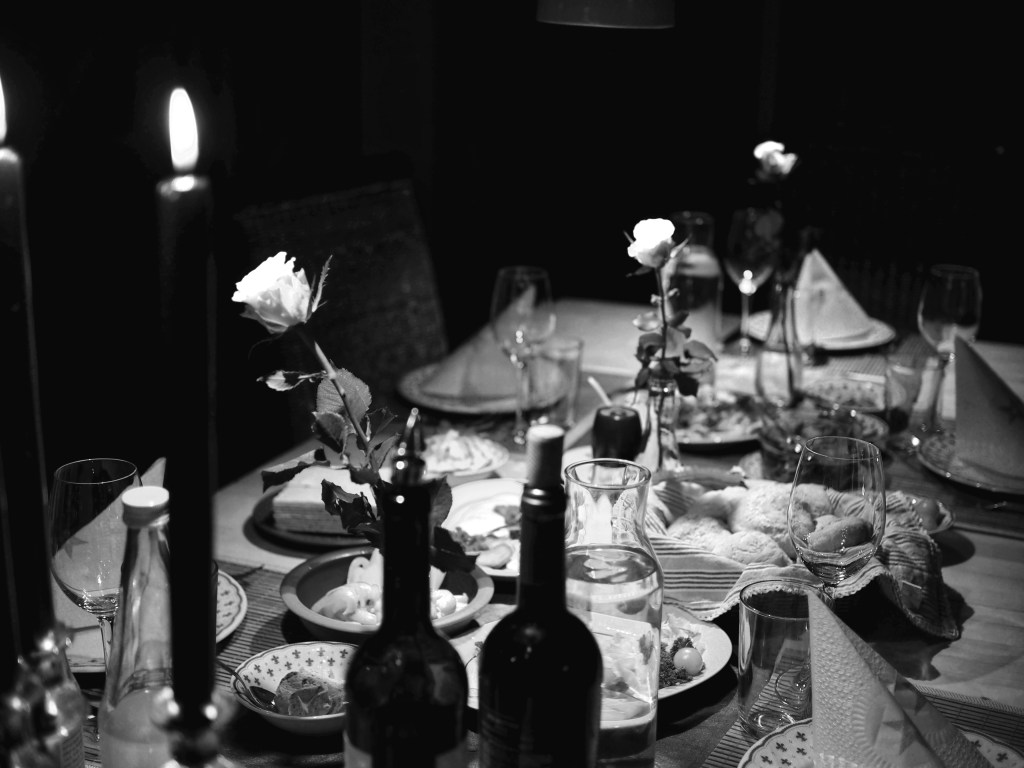
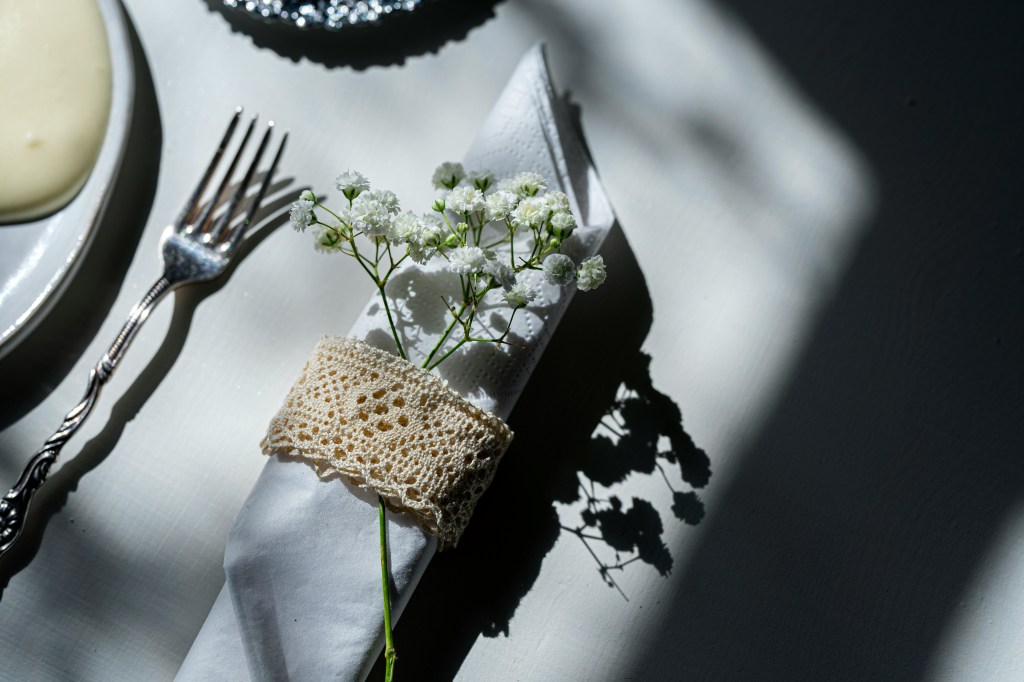
    As I move from research and reflection into event production, dinners take shape in my mind long before they become real. I strive to create places that carry themes of belonging and shared humanity before any conversation begins. Details matters, as place settings and decorations are not merely aesthetic flourishes but serve as symbolic markers.
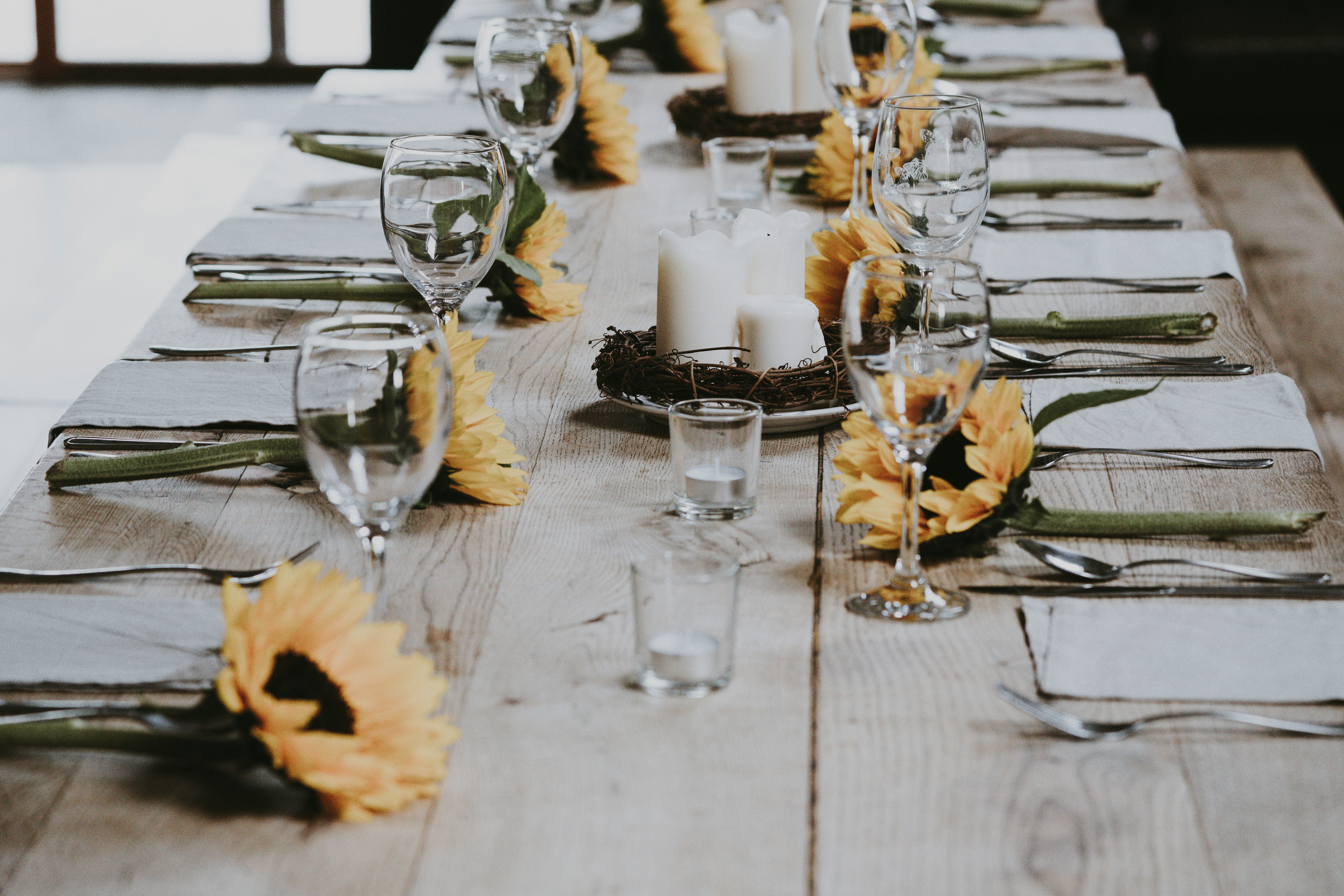
    Before the first invitation is extended, I imagine the setting. Whether locally sourced ingredients, handwoven linens, or seasonal flowers, I think how an intimate, welcoming atmosphere can be established. The colors used in the space can function as quiet reminders of the many lenses through which we see the world, and carefully chosen objects can pay homage to the relationships formed when strangers meet. But perhaps the most important design element is what cannot be seen: Conversation.

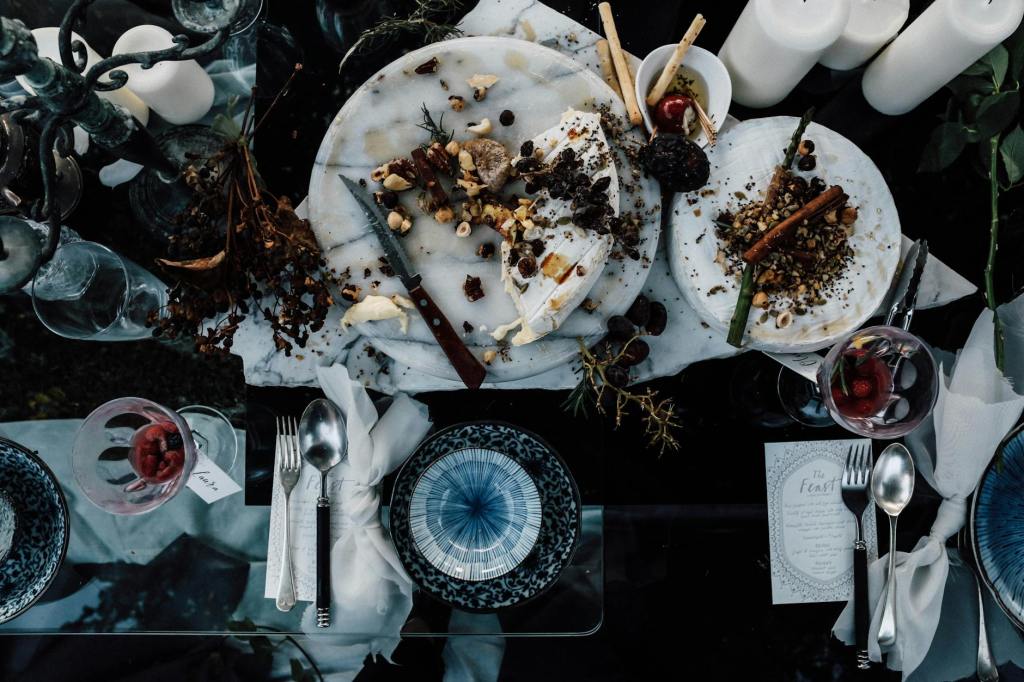
    Dinners are not scripted, but they are guided by prompts. These questions serve to promote empathy and encourage curiosity. Unlike typical social exchanges where talk leans toward the expected and the familiar, my dinners strive to foster deeper connections. As a result, the production that results from my planning embraces the dance of a night. Instead of focusing solely on logistics, I consider the senses, the symbols, and the space that might open doors to experiences of wonder and transformation. Though temporary, a well-designed dinner can extend long after the last guest leaves.
  • The ethics of hosting

    When turning a dinner party into art, I must acknowledge the role of ethics associated with hosting. Hosting is not neutral. The act of choosing who is invited, how the table is set, and what questions are asked all carry dynamics of power.

    By creating a space where people from different industries and backgrounds can converge, I attempt to pave way for dialogue and intersections to flourish, but I must recognize that I shape the conditions in which these conversations take place. When curating guest lists, I assume responsibility: Who is allowed at the table and who is left outside? As I review possible attendees, I must consider the voices that will be privileged to attend and any perspectives that might go unheard.

    My dinner events are not just about food. These dinners offer a setting in which conversation can be guided. As host, I have power to make decisions whether or not to intervene as guests make their way through posed questions. There is vulnerability associated with this position, as I am held responsible for establishing a space where participants feel safe enough to share, become vulnerable, and take social and conversational risks.

    I think of Ai Weiwei’s Fairytale. While my dinner parties certainly do not confront the politics of inclusion on such a scale — the man brought over 1,000 people to a place that would otherwise not have been accessed — the principle is similar. My dinners emphasize participation. What is valuable is not just who attends but how their presence can change the fabric of the experience. As artist and host, I hold this tension of creating space while recognizing the limitations I have before, during, and after an event.

    Hosting requires a humility, an awareness of constrains while demanding curiosity. With this knowledge, I seek to create without fixating on outcomes so that I might challenge norms and allow space for the unexpected to occur.


  • When the ephemeral lasts

    One of the most valuable reminders I’ve taken from my work is that art does not need to last to be meaningful. Many of the works that have shaped me as a social artist are ephemeral. These pieces are intentionally designed to exist momentarily and disappear.

    Art can be both fleeting and monumental, and experiences can become unforgettable. Emotional encounters, a sense of wonder and awe, and the ability to transport a viewer beyond the every day can linger. Even though a work isn’t permanent doesn’t mean it won’t live on in memory and records. Olafur Eliasson’s Weather Project filled a room at the Tate with mist and the illusion of a burning sun. Ai Weiwei’s Cube of Light captivated audiences with glass crystals. Robert Irwin’s installations relied on light and space to prompt audiences to question their own perception of space and art.

    I view magic and delight as keys central to placemaking. These are ingredients that cannot be fully taught, communicated in a tool kit, or even instructed in workshops and pamphlets. These are moments that must be experienced. This is why I am drawn to experiential art. Conventional boundaries can be dismantled and senses heightened so that transformation can take place.

    Though a dinner party may last only a few hours, its impact can be preserved. The conversations held at the table, the connections made, and the memories formed from the experience can exist long after the last plate has been cleared.


  • Defying definitions

    Engaging in meaningful conversation not only reveals individual stories but uncovers many of the similarities we face. From concerns and worries to aspirations and goals, experiences unite us, regardless of where we come from and where we are going.

    Part of my work as a social artist is not only to observe overlaps but to draw attention to these connection points for others to see. As communities grow increasingly fractured, these shared nodes of the human experience matter more than ever. My projects, whether an intimate dinner party or a public event, aim to create a stage where similarities can be acknowledged and uniqueness can be respected. Where what might slip beneath the surface becomes visible and honored.

    I’ve recognized that the role I play as host is less about solving problems and mediating differences. As I create events, I look to provide permission: Permission for participants to regard others, not through a curtain of separation, but through a lens that showcases possibility. A place where the dinner table serves as both a metaphor and the promising arena where potential and common ground can be explored.


  • Redefining experience

    When I began hosting dinner parties, I didn’t see it as art. From my training at Columbia University, I knew tools and techniques to run groups and choose interventions, and many of these theories surrounding group work and clinical practice guided my decisions. Yet they may have also limited my thinking.

    Initially, I assumed that simply inviting people to a space might generate meaningful conversation. While food offered a framework for interaction, it did not automatically pave the way to discussions that dove beyond surface-level pleasantries. I watched as some guests remained hesitant and looked for ways to help interrupt some of these silences.

    Community is not something that a meal or an event guarantees. Connection requires thoughtful facilitation. Through curated seating charts and planned moments that encourage exchange, food becomes just another tool that can foster exchange.

    I once imagined that a perfectly-run event would be key to attendees’ experiences, when in actuality, it was tiny mishaps that helped strangers become familiar. Whether a course arrived late or a schedule had to be adjusted, these perceived imperfections actually opened the door for shared humanity, humor, and empathy to build among participants. So, too, did revealing my own anxieties. This honesty dissolved some of the social barriers that can form in unknown encounters. Sometimes, expressed and honest acts of care trump flawless execution.

    Though I first positioned myself as a host in the traditional sense at each dinner, I have come to understand my role is more nuanced and complex. I am an artist, mediator, and equal participant as the event unfolds. In this way, hosting is a performance and disrupts definitive lines that might separate authorship and service. Understanding this has unearthed questions of power, creation, and care in my work.

    Similarly, I often assumed that attending an event would become self-explanatory as participants derive their own meaning from the organized experience. I have learned that without framing, intended significance can be lost. As a result, I have come to learn that mediation is folded into my practice. My writings and the conversations that are shared after each event become part of the experience and carry conversation from the dinner table into an extended setting.

    The dinner party has tested my assumptions and continues to shape my work. What might be considered one-off events have pieced together to form a methodology that weaves performance, hospitality, and critical observation. Creating spaces that encourage meaningful encounters is a fragile yet deliberate process. This is how my work is unique.


  • A side of hope

    Our world is filled with uncertainty, fear, and division. Even a brief reprieve, moments that illicit awe and wonder, is a gift. These experiences don’t need to be permanent or monumental, as even fleeting exchanges can have lasting impact.

    This is what Robert Irwin calls Conditional Art. This kind of art doesn’t depend on a fixed condition. These experiences highlight how an individual experiences and interprets a space. For me, this is the magic that fuels a dinner party.

    While organizing events, I have seen firsthand how carefully made experiences can offer reprieve.To feel hope, even temporarily, is to imagine possibility: That meeting strangers could result in connection, that new ideas could be inspired, that shared humanity is felt.

    This is why I look to create backdrops where co-collaborators are invited into spaces made to encourage curiosity and connection. If one person leaves the dinner feeling more generous or inspired than when they arrived, the project has succeeded.