Process

A dinner party could change everything.

  • Welcome to the party

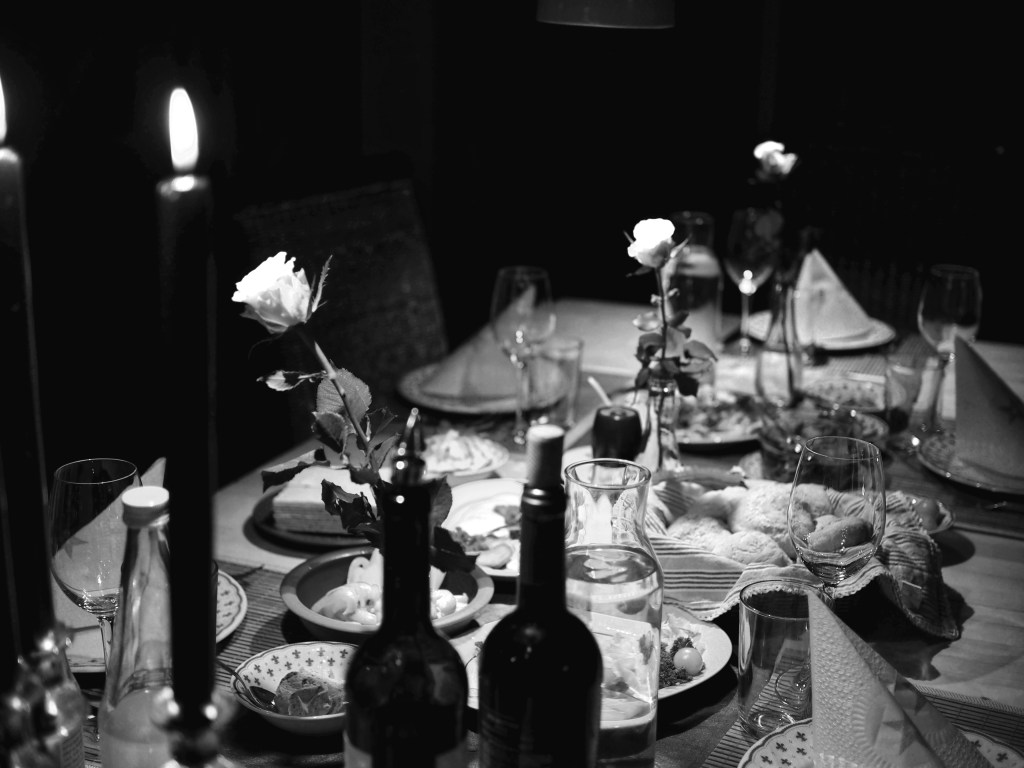
    While some might see hosting a dinner as moment of hospitality, I see a nexus where social art, networking, and practice converge. At my events, guests, food, and conversation intertwine as I explore topics such as community and self efficacy.

    A good dinner party is not just a meal. A dinner can be a place of performance, a backdrop for intrigue and meaningful encounters. On this stage, we are all players. My work revolves around getting the right people there at just the right time.

    Like each of my events, I intend for my writing to serve as a spark. Perhaps you find a new perspective on placemaking, discover some of the magic that fills a curated space, or learn more about how my creative practice continues to evolve.

    Within these posts, you’ll find a record of some of what goes on behind the scenes of each dinner. From the staging of events to reflections following curated gatherings, I reveal how I create, some of the assumptions and theories that have guided my work, and the uniqueness of my multi-dimensional art. You’ll find keys to the research methods I have used to develop my curated style of hosting and be exposed to some of the production that takes place before the first guest arrives and after the last guest has left the table.

  • More than menus

    When I first began planning dinners, I thought of each event not just as a place where food is served but as a sequence of moments that could shape attendees’ experiences. Courses were not just about nourishment, but doors into shared experiences.

    Each plating frames conversation, encourages the exchange of ideas, and reflects my practice as a socially-engaged artist who weaves hospitality, performance, and art. My research into relational aesthetics has encouraged me to think about placemaking in and of itself as a medium. I have drawn inspiration from anthropological writing on rituals, where courses might serve as a transition marker and shape bonds formed among strangers.

    Dinners begin with more general questions as participants take their first seating for the evening. New questions are presented as new courses are presented, providing not only a culinary journey but a curated social odyssey that encourages participants to share stories and connect on deeper levels typically experienced at networking events. At my dinners, I look to foster dialogue as diners discover shared experiences. Seating arrangements are not fixed, and participants are led to different areas in the room.

    As with any conceptual plan or live event, adjustments must be made, and a flexible mindset must be embraced. Whether unexpected happenings occur at the venue or I am faced with sudden changes of attendees, I have come to recognize that the space surrounding the promise of serendipity is permeable. Often, I must negotiate between my own artistic intentions and logistical feasibility, but this is where magic often rests.

    Often, the most “perfectly designed” dinners evolve from imperfect conditions. Those unpredictable dynamics that are inevitably triggers when strangers come together to share a meal is what makes each event unique and impossible to replicate. The act of showing up authentically is the aim, and sometimes, theory and practice align. As attendees browse menus, I watch my work take shape — the art of introductions and cultivating relationships.


  • Experiential art and my practice

    In recent months, I’ve been diving into what is called experiential art. This kind of work invites audiences to become part of art, and in doing so, blurs the line between viewer and the piece itself. Unlike more traditional art forms, experiential art depends on a variety of senses as places are made. The way in which people move, feel, and interact cannot be fully captured in a photograph or booklet, and experiential art recognizes this. These kinds of works must be experienced. Writers like Kate Wellham place experiential art within the body of immersive practice. Such projects do not need to be permanent to carry meaning. Even if an experience is temporary or site-specific, it can deeply resonate.

    A key aspect of my work is the idea of showing, not telling. Products and physical pieces might be replicated and distributed, but the magic of experiencing a place at a particular time with particular people is an experience that cannot be bottled and sold. My work focuses on creating these unique experiences that allow people to connect and reflect.

    After identifying the practice of experiential art, I see more clearly the importance of my practice. I am not concerned with making objects to be sold. I strive to create experiences that will be remembered. Through these experiences, I hope those who encounter my work might be inspired to look for ways to remember the fragility and the beauty of belonging and the power of generosity.

    This is why I am drawn to dinner parties. This form is experiential, and the dinner serves as both medium and message. Guests don’t simply observe. They are active participants, co-creating each event with me.


  • Trusting process

    As a socially engaged artist, I often feel the tension between possibility and doubt. There are moments I am plagued by uncertainty — at finding the right venue, confirming guest lists, and managing resources — that can overpower creative impulse. I have come to understand that part of my practice is sitting with this anxiety and trusting that the process will unfold exactly as it should.

    I remind myself of past wins like conferences, festivals, private dinners, workshops, and classes. These were all uncertain ideas at first yet pieces fell together as the right people supported the projects and outcomes eventually exceeded what I had imagined. Through research, I learned about participatory work and Conditional Art. These works are not meant to control every possible outcome but instead focus on creating the platform where meaning can emerge.

    Trust is not passive. It requires curiosity and question-asking; active listening; intention; and a willingness to thoughtfully respond to input with necessary pivots. Trust asks for collaboration with uncertainty and the understanding that this unknown space is exactly where the spark of magic lives. My role is only to set the stage and invite others to join me in the kindling of connection.

    I have to trust that the right people will enter the spaces I create. That the right venues will emerge as suitable platforms. That symbols and prompts will resonate. Most importantly, I trust that if I remain committed to the values of curiosity, generosity, and community, the work I make will become exactly what it is suppose to be. Yes, planning and research is required, but so, too, is hope and the embrace of the unknown.


  • Breaking the frame

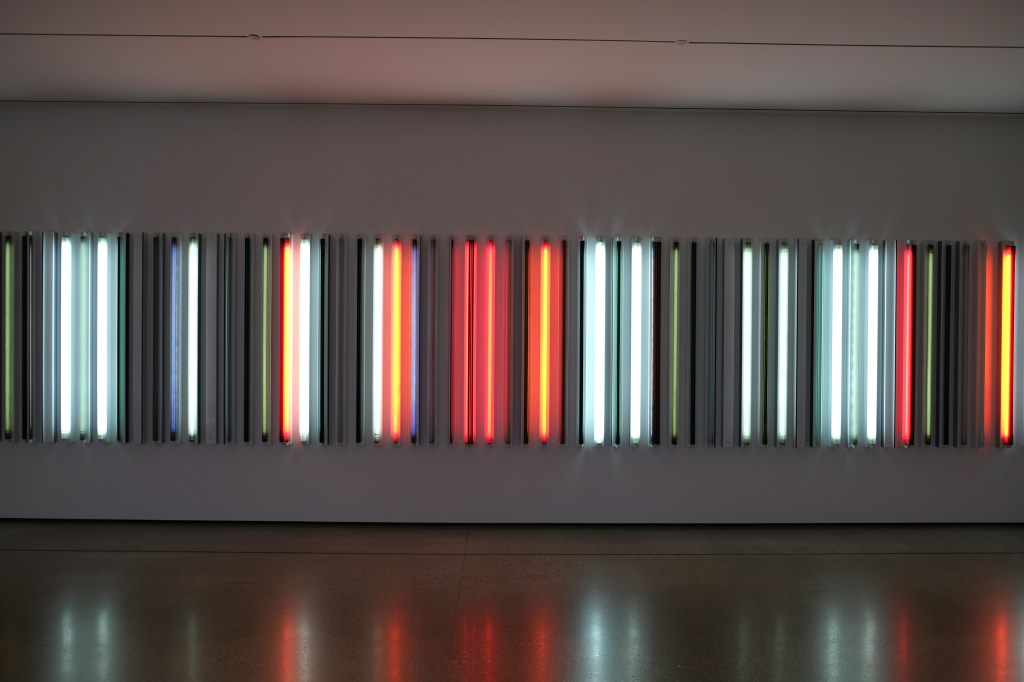
    Robert Irwin once asked: “How do I break the frame?” He was reflecting on the moment his practice shifted from two-dimensional paintings to spatial, light-based work. His question has influenced my work as I look to break frames that define how people gather, communicate, and experience life.

    For me, the “frame” signifies prescribed convention. Polite small talk between strangers. Societal expectations that dictate how we enter a space. Expectations we bring as we attend events and participate in group settings.

    My dinners look to break frames that have defined the traditional dinner party. With subtle interventions that help participants move past small talk and into meaningful dialogue, I believe that the intentional arrangement of a place, the symbolism of objects, and the act of serving and sharing food can challenge typical conventions of hospitality.

    Through my dinners, I experiment with ways to encourages guests to step beyond expected boundaries. Whether through a seating arrangement, unexpected venues, or carefully curated prompts, I look for tools that can break expected patterns of social interaction and give permission for participants to step outside formal roles and encounter the world in a new way, even for a moment.

    “Breaking the frame” isn’t about destruction. This is an opening. It is an invitation to see differently and to connect differently. This is one of the pillars of my practice: A thoughtful space has the potential to shape how people encounter each other, themselves, and the world around them.


  • Weaving assumptions

    My dinners are built on assumptions.

    I assume food and the dinner table can serve as a universal connector, but food can also divide. Dietary restrictions, previous associations with venues, and cultural symbols can become barriers to connection.

    Though I might assume that conversation can establish rapport among strangers, conversation can just as easily reinforce differences and silence less confident voices.

    I assume carefully curated settings can inspire awe and that with the right planning, a dinner can become a magical, transformative experience. But what if dinner is simply eaten, guests leave, and nothing else occurs? What if conversations remain surface-level? What if nothing changes?

    Of course, I am aware of my role as the host. As an artist, I can set out to frame the dinner and encourage dialogue, but what if my presence is a constraint? Boundaries of authorship in participatory art can be challenging to define.

    Yet this is the essence of socially engaged art. As many questions as there might be, results are equally uncertain. This raises the real consideration of value. Am I looking to create something that can be measured, or do I want to honor softer shifts: A story shared, the memory of a space, a fleeting glimmer of recognition?

    Becoming aware of these challenges means I can work with them, test them, and weave their threads into my work. Instead of limitations, such uncertain factors can deepen experiences and build upon the surprise, complexities, and contradictions so often encountered in created spaces.