As I move from research and reflection into event production, dinners take shape in my mind long before they become real. I strive to create places that carry themes of belonging and shared humanity before any conversation begins. Details matters, as place settings and decorations are not merely aesthetic flourishes but serve as symbolic markers.
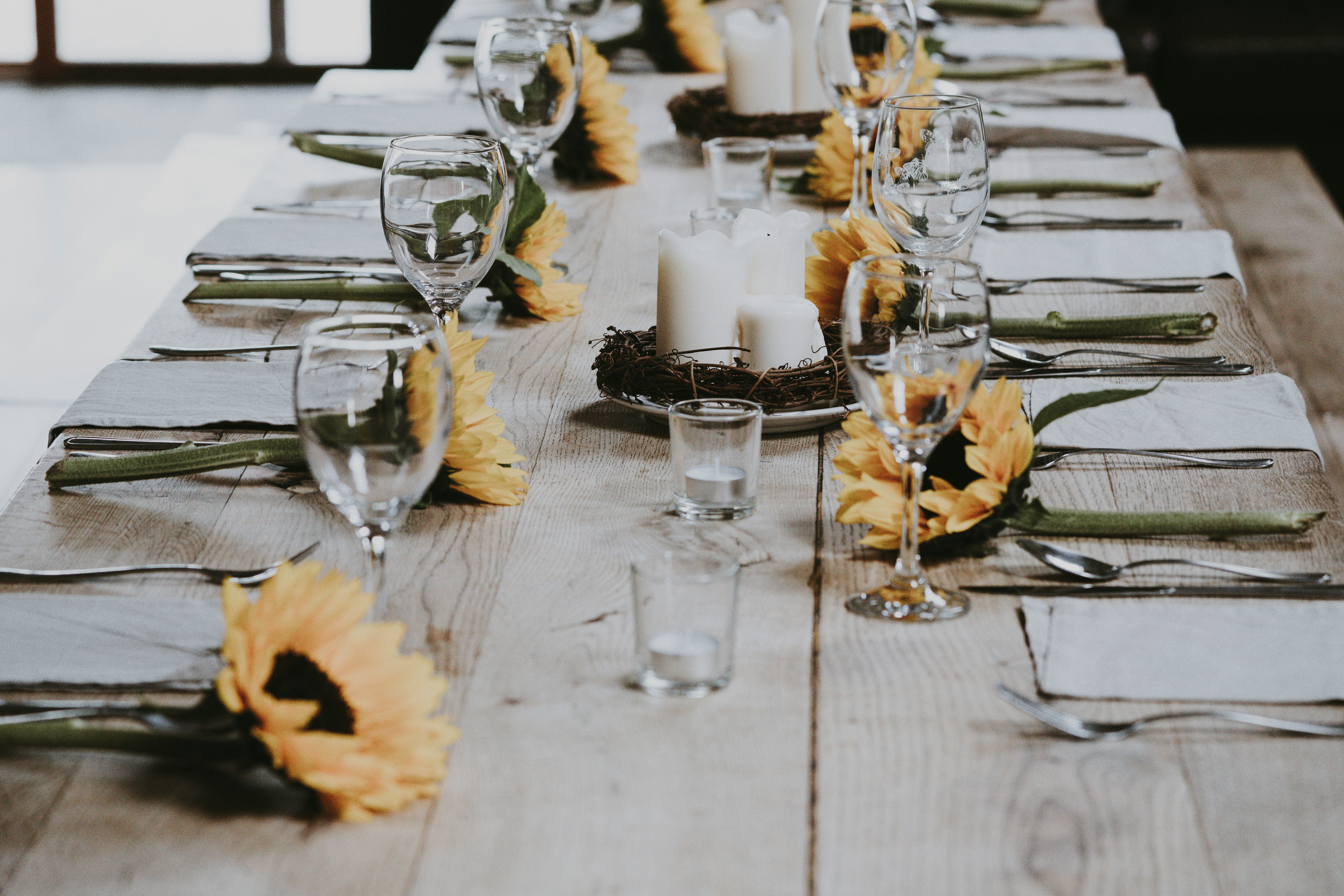
Before the first invitation is extended, I imagine the setting. Whether locally sourced ingredients, handwoven linens, or seasonal flowers, I think how an intimate, welcoming atmosphere can be established. The colors used in the space can function as quiet reminders of the many lenses through which we see the world, and carefully chosen objects can pay homage to the relationships formed when strangers meet. But perhaps the most important design element is what cannot be seen: Conversation.
Dinners are not scripted, but they are guided by prompts. These questions serve to promote empathy and encourage curiosity. Unlike typical social exchanges where talk leans toward the expected and the familiar, my dinners strive to foster deeper connections. As a result, the production that results from my planning embraces the dance of a night. Instead of focusing solely on logistics, I consider the senses, the symbols, and the space that might open doors to experiences of wonder and transformation. Though temporary, a well-designed dinner can extend long after the last guest leaves.
