Ai Weiwei arranged for 1,001 Chinese citizens — farmers, workers, villagers — to travel to Germany for a 2007 art festival. Most would never have had the opportunity to attend such an event, and their presence changed the fabric of the experience. To represent their participation, Weiwei displayed 1,001 wooden chairs at an exhibition.
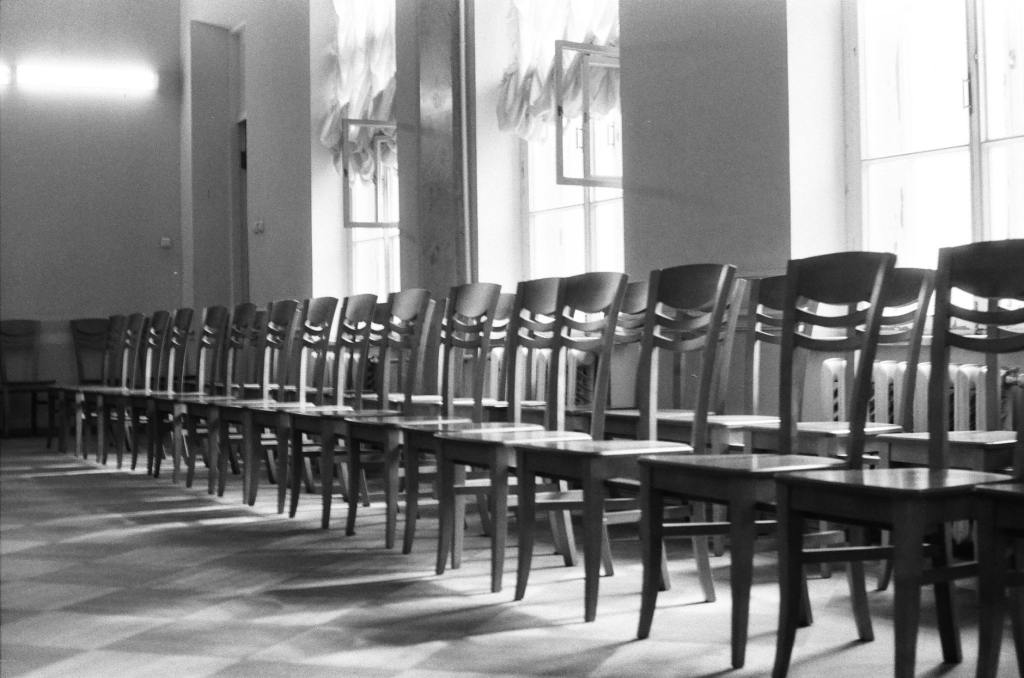
Not only the scale of this act but the creative generosity of this work moves me. For these traveling visitors, the journey may never be forgotten. Yet for those who may not have otherwise encountered these sponsored viewers, Weiwei’s work disrupted the notion of who art is “for.”
I am also reminded for Allan Kaprow’s Fluids (1967), where participants built structures out of ice blocks that melted away within a day and Anish Kapoor’s Cloud Gate, a mirrored sculpture in Chicago that reflects and refracts the city around it, turning everyday citizens into part of the work. These projects show the power of shared experiences and how a sense of awe can inspire a sense of belonging.
For me, awe and belonging are intertwined. Belonging isn’t built through speeches or a specific set of instructions. It emerges when people feel connected and are drawn out of themselves into something collective. One opens the door to the other.
A dinner party might seem like a modest form when compared with Weiwei’s work and large public sculptures, but it carries the same potential. And this is what I seek to create: Shared experiences that inspire wonder and invite people to feel part of something beyond themselves. When I curated events, I’m not setting out to achieve a defined outcome. Instead, I focus my attention on creating a space where curiosity, wonder, and belonging might have seats at the table.
